
Bath Tai Chi shares practical, down-to-earth guidance on tai chi and qigong for health, balance, and mindful movement in bath for readers across the UK.
- 0123456789
- Angle Bd Abdelmoumen & rue soumaya, Résidence
- [email protected]
Bath Tai Chi shares practical, down-to-earth guidance on tai chi and qigong for health, balance, and mindful movement in bath for readers across the UK.
 By Margaret Ashworth
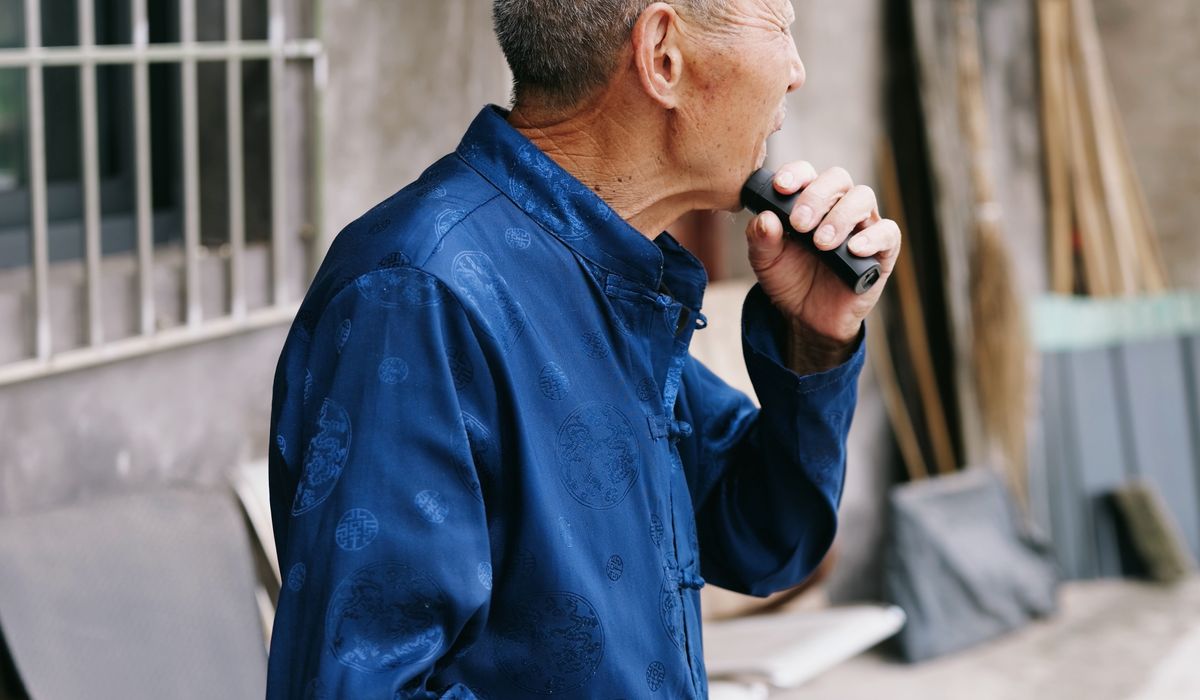
You know the feeling: thoughts circling, jaw tight, shoulders creeping towards your ears. The more you try to force calm, the more the mind resists. Tai Chi and qigong offer a different route. Instead of wrestling thoughts into submission, you work with the body's natural ability to soften, settle, and yield. These principles are portable tools for the commute, the desk, the supermarket queue—not just a studio in Bath.
When you apply yielding, rootedness, and softness off the mat, you give your nervous system a way out of fight-or-flight without retreating to a quiet room.
Yielding means you do not meet force with force. You accept incoming pressure, redirect it, and let it pass. This is the opposite of arguing with reality. When an email lands that makes your stomach clench, your first instinct may be to tighten and retaliate. Yielding asks you to pause instead.
Try this: as you read a stressful message, feel your feet on the floor. Soften your belly. Imagine the words washing past you rather than hitting a wall. You are not agreeing or collapsing; you are choosing not to add resistance. The same applies to a delayed bus or a difficult conversation. Yield first, respond second.
Yielding creates space for a wiser action.
Rootedness is not about being immovable. It gives you a reliable reference point when thoughts pull you into future or past. In qigong, you cultivate root by feeling your connection to the earth through feet, bones, and spine.
You can practise this anywhere in Bath. At the Royal Crescent, outside the Abbey, or at your desk, take thirty seconds to feel your sitting bones or feet. Let your weight drop. Imagine roots growing downward, not to trap you but to steady you. When the mind spins—a deadline, yesterday's awkward moment—return to that physical sense of ground.
A simple routine: stand with feet hip-width apart. Rock gently front to back, then side to side, finding the centre. Stand still and feel the earth supporting you. Say inwardly, "I am here." That is rootedness. It takes less than a minute—before a meeting, after a call.
Softness in Tai Chi is supple strength—like a willow in the wind. A busy mind often comes with a hard body: clenched teeth, furrowed brow, shallow breath. Softness invites you to let go of unnecessary effort.
Start with your eyes. Soften your gaze to take in the periphery, not just the screen. Let your jaw hang loose. Allow shoulders to melt down your back. In qigong, this is called "song"—a relaxed, open quality.
When mental tension rises, try a three-breath reset:
Repeat three times. Softness does not erase the stressor, but it changes your relationship to it.
You need no full hour to benefit. Weave these one-minute principles into your day.
These small moments accumulate. A busy mind is not calmed by one grand gesture but by many gentle returns.
Tai Chi and qigong are moving meditation, but their real gift is how they train you to meet life. Yielding teaches you not to fight every wave. Rootedness reminds you that you are supported. Softness shows you that you can be alert without being rigid.
In Bath, with its elegant curves and quiet corners, stillness is easy to find. But the principles travel—onto the high street, into the office, home to the kitchen. The next time your mind races, try yielding first. Then root. Then soften. You may find calm was not something you had to chase; it was something you stopped pushing away.


We are not gonna make spamming
