
Bath Tai Chi shares practical, down-to-earth guidance on tai chi and qigong for health, balance, and mindful movement in bath for readers across the UK.
- 0123456789
- Angle Bd Abdelmoumen & rue soumaya, Résidence
- [email protected]
Bath Tai Chi shares practical, down-to-earth guidance on tai chi and qigong for health, balance, and mindful movement in bath for readers across the UK.
 By Margaret Ashworth
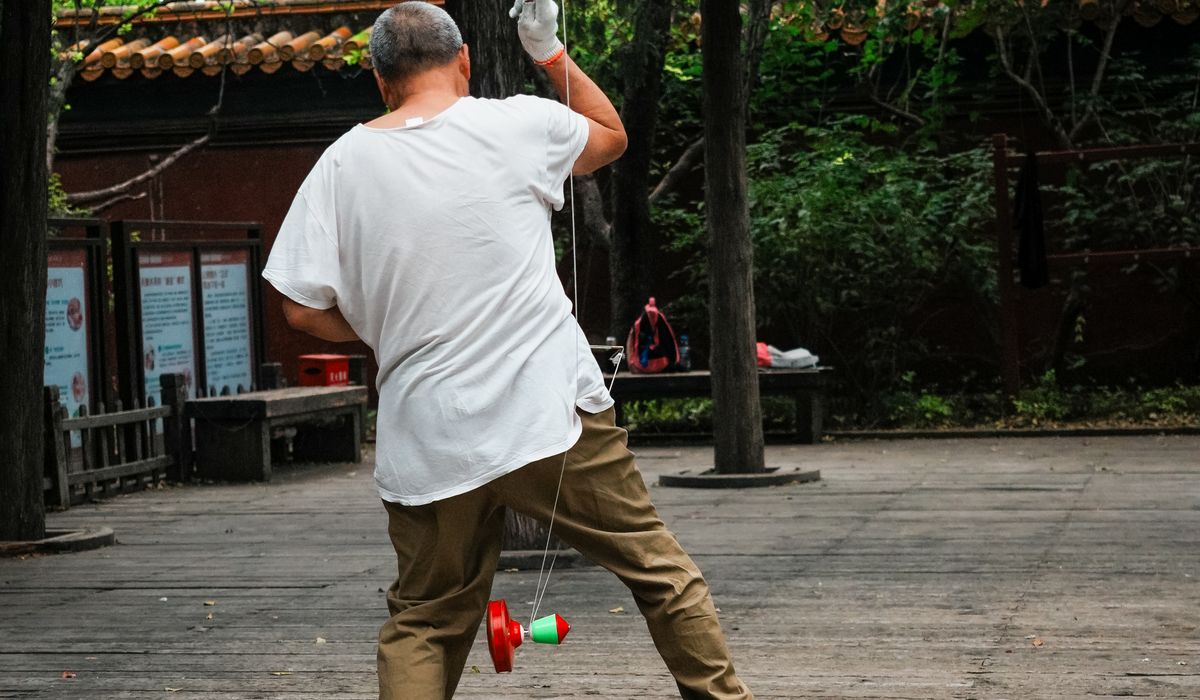
Bath rewards slow movement. Between the climb up to Royal Victoria Park, the curve of the Royal Crescent and the quieter paths through Sydney Gardens, the city is full of spaces that invite you to walk and breathe at an unhurried pace. That same quality suits tai chi and qigong beautifully. Neither is a workout you win; both are practices you settle into, and a city used to spa waters and gentle promenades is a natural home for them.
Classes take place across the city — in church halls around Widcombe and Larkhall, community rooms in Bear Flat and Oldfield Park, and sports halls up on Combe Down. That spread matters, because the best class for you is often the one you will genuinely turn up to on a wet Tuesday in February.
The two are close cousins and many classes blend them, but the difference is worth knowing before you book.
A good compromise is a class that opens with qigong-style warm-ups and then teaches a short beginner form. You get the immediate calm of one and the steady challenge of the other.
You should be able to spot a welcoming class in the first ten minutes. Look for these signs.
If a class moves so fast that you spend the hour watching rather than doing, it is not a beginner class, whatever the leaflet says.
A short phone call or email saves a wasted journey. Ask:
Most classes run in term blocks of six to ten weeks, though many teachers welcome drop-ins. Wear loose, comfortable clothing you can move and breathe in — no need for anything special. Layers are wise, as old church halls can be chilly. Trainers with thin, flexible soles work well; thick running shoes make it harder to feel the floor. Socks are fine if the hall is carpeted.
Arrive five minutes early, especially the first time, so you can mention any injury, dizziness or recent surgery to the teacher privately. Practise within a comfortable range. If something pinches, come out of it. The old instruction to "no pain, no gain" does not apply here; the aim is ease, not strain.
The changes are quiet at first. After six to eight weeks of regular practice, people often notice they feel steadier on the stairs, sleep a little better, or carry less tension in the shoulders. You may find yourself standing on one leg in the kitchen without thinking about it, or noticing your breath before you answer the phone.
Learning a full form takes months, and that is entirely normal. Feeling clumsy in week three means you are doing it right. Twice a week is enough to make progress; once a week plus a few minutes at home will still do you good. The point is not to perform the movements perfectly but to return to them — and in a city this gentle, that is a habit worth keeping.


We are not gonna make spamming
