
Bath Tai Chi shares practical, down-to-earth guidance on tai chi and qigong for health, balance, and mindful movement in bath for readers across the UK.
- 0123456789
- Angle Bd Abdelmoumen & rue soumaya, Résidence
- [email protected]
Bath Tai Chi shares practical, down-to-earth guidance on tai chi and qigong for health, balance, and mindful movement in bath for readers across the UK.
 By Margaret Ashworth
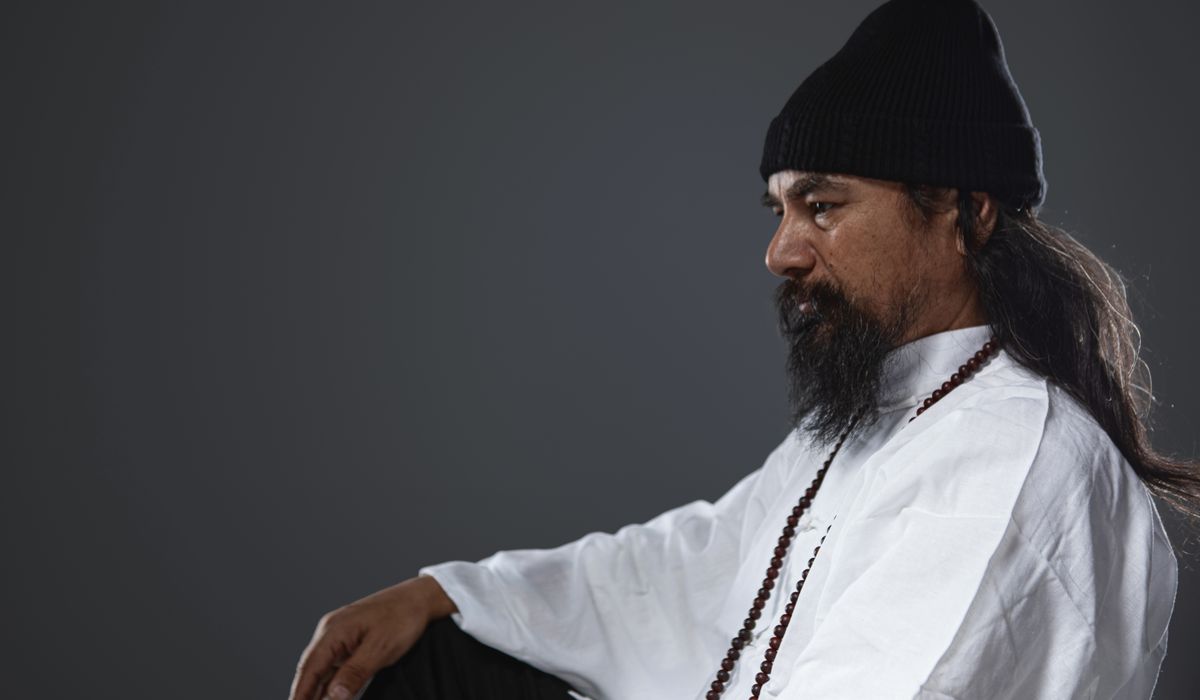
Standing still can feel like the least productive thing in the world. But ask anyone who has spent ten minutes in zhan zhuang — standing like a tree — and they will tell you otherwise. This deceptively simple practice is a cornerstone of tai chi and qigong, and one of the most direct ways to build quiet strength, rooted stability, and calm attention.
Zhan zhuang means "standing like a tree". You hold a static posture, usually with the arms rounded as if embracing a large ball, and you stay. The body is still; the mind is alert; the breath moves on its own. It looks passive. It is not. Muscles deep in the legs, back, and shoulders engage to keep you upright. The joints settle, and the nervous system begins to downshift.
For tai chi and qigong students, standing practice is the laboratory. Everything a flowing form requires — alignment, relaxation under effort, whole-body connection, a steady mind — can be trained here first, without the distraction of movement. It also stands alone as a health practice, improving balance, leg strength, posture, and breath awareness.
Begin in wuji, the position of undifferentiated stillness. Feet are parallel, roughly hip-to-shoulder width apart. Weight spreads evenly across each foot, with contact at the heel, the ball, and the base of the big toe. Knees are soft — never locked — and point in the same direction as the toes. The pelvis is level; the tailbone hangs rather than tucks aggressively. The spine lengthens upward as if a thread lifted the crown of the head. The chin draws in slightly, the shoulders release down and back, and the arms hang naturally.
From there, raise the arms into the classic "holding the ball" position: elbows slightly below the wrists, palms facing the chest at about chest height, fingers relaxed and separated. The arms feel buoyant, not held. The gaze is soft, looking ahead and slightly down. Breathe through the nose if you can, and let the jaw and throat soften.
Once the shape is set, the real work begins. Work through three layers, returning to them as often as you need.
Start with five minutes a day. That is enough to learn the shape and notice where you hold tension. Add a minute each week until you reach twenty or thirty minutes, but only if the quality of attention holds. Five focused minutes daily will change more than a heroic thirty-minute session once a week.
Choose a regular time. Morning suits many people, before the day's demands arrive, but consistency matters more than the clock. Stand before your tai chi form or qigong set, or as a separate practice. If one long stretch feels daunting, break it into two shorter sessions. A timer frees the mind from watching the clock.
In Bath, standing practice fits neatly into the rhythm of the city. A few minutes in a quiet corner of a park, on a garden terrace, or in your own front room before the day begins can set a calmer tone. Many local tai chi and qigong classes include some standing work, and it is worth asking your teacher how to adapt the posture to your body. If you walk the hills or follow the river path, you already know something about pace and grounding; zhan zhuang brings that same steadiness indoors.
Stand like a tree long enough and the benefits become ordinary — which is to say, they become part of you. Better balance on uneven ground. A back that complains less. A mind that recovers more quickly from stress. In tai chi, the form becomes more connected because the body has learned to organise itself without constant instruction. In daily life, you carry a quiet centre that does not depend on circumstances. Five minutes of stillness, practised consistently, is a small commitment with a long reach.


We are not gonna make spamming
