
Bath Tai Chi shares practical, down-to-earth guidance on tai chi and qigong for health, balance, and mindful movement in bath for readers across the UK.
- 0123456789
- Angle Bd Abdelmoumen & rue soumaya, Résidence
- [email protected]
Bath Tai Chi shares practical, down-to-earth guidance on tai chi and qigong for health, balance, and mindful movement in bath for readers across the UK.
 By Margaret Ashworth
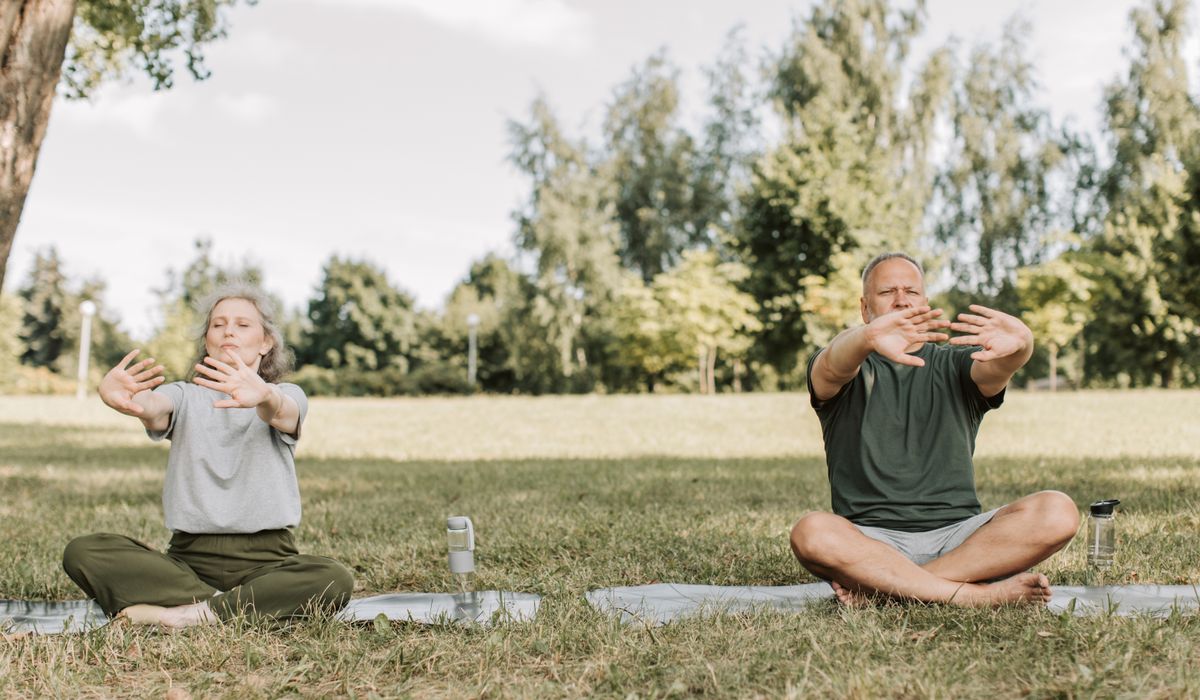
Tai chi and qigong sit at the gentler end of movement practice, which is precisely why they appeal to people whose hearts and lungs need coaxing rather than pushing. If you are managing high blood pressure, recovering after a cardiac event, or living with a long-term lung condition, the idea of exercise can feel daunting. These practices offer a way in that never leaves you gasping.
Where brisk walking or a gym circuit brings sharp spikes in effort, tai chi keeps you moving continuously at a modest, steady workload. Breathing stays controlled rather than ragged, and the pace is set by you. That matters, because the health benefits of movement come largely from doing it regularly. A practice you can repeat five or six days a week without dread will almost always serve you better than one that leaves you recovering for three.
Many people in Bath come to a class after a health scare or a diagnosis, and what they notice first is not fitness but calm — a slower pulse, easier breathing, and a sense of steadiness that carries into the rest of the day.
Qigong breathing is low, slow and unhurried. You breathe into the belly rather than the upper chest, and let the out-breath run a little longer than the in-breath. This encourages the diaphragm to work properly, which in turn makes each breath more efficient — you move more air with less effort.
The effects people report most often include:
None of this replaces inhalers or medication. It simply gives you more control over the ordinary moments in between.
Tai chi is practised standing, shifting weight slowly from one leg to the other, with the spine upright and the shoulders soft. That sounds undemanding, and in one sense it is — but it asks a great deal of the small muscles around the ankles, hips and spine, and of the circulatory system that feeds them.
Standing balance work encourages blood flow through the legs, which helps counter the pooling that comes with long periods of sitting. An upright, relaxed posture gives the ribs and diaphragm room to move, so breathing is less restricted. And the constant, gentle rotation of the waist and hips keeps the joints mobile without loading them heavily.
For older adults in particular, this combination — circulation, posture, balance — is where tai chi earns much of its reputation. Better balance means fewer falls, and fewer falls means more confidence to keep moving.
Bath is unusually well suited to this kind of practice. The city is compact, and there is green space within a short walk of most neighbourhoods: the broad lawns of Royal Victoria Park, the quieter paths of Sydney Gardens and Henrietta Park, and the flat, level stretch of the Kennet and Avon Canal towpath towards Bathampton. Standing practice outdoors, with a view of the hills, adds something a hall cannot.
A few practical points for local conditions:
Ten minutes is enough to begin. Try this sequence, ideally at the same time each day.
Stop if you feel dizzy, breathless beyond what feels manageable, or experience chest pain. Rest, and mention it to your doctor.
Tai chi and qigong are complements to medical treatment, not substitutes for it. Keep taking your medication. Keep your appointments. If you have had a cardiac event, a structured cardiac rehabilitation programme should come first, and gentle movement afterwards — with your clinician's agreement — is a sensible next step.
Ask your GP or practice nurse whether there is anything you should avoid, particularly if you have uncontrolled blood pressure, recent surgery, or a condition affecting your balance. A good teacher will ask about your health before the first session and will happily adapt movements so you can take part seated if needed.
Approached that way, tai chi becomes part of a broader, sensible approach to looking after your heart and lungs — one that respects what your body can do today, and gently widens what is possible tomorrow.


We are not gonna make spamming
