
Bath Tai Chi shares practical, down-to-earth guidance on tai chi and qigong for health, balance, and mindful movement in bath for readers across the UK.
- 0123456789
- Angle Bd Abdelmoumen & rue soumaya, Résidence
- [email protected]
Bath Tai Chi shares practical, down-to-earth guidance on tai chi and qigong for health, balance, and mindful movement in bath for readers across the UK.
 By Eleanor Whitcombe
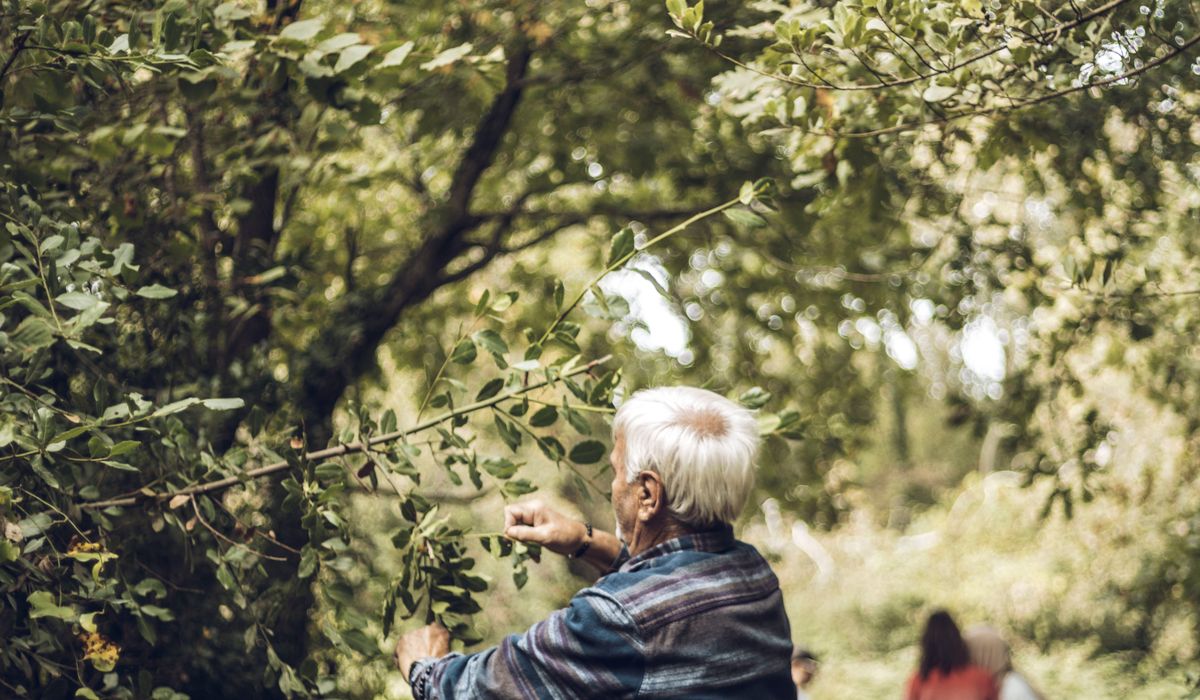
Cartilage has no blood supply of its own. It depends on synovial fluid, which is stirred around the joint by movement itself — a little like wringing out a sponge. When a joint stays still for long stretches, that fluid becomes sluggish and the joint feels stiff, particularly first thing in the morning or after sitting through a long film. Gentle, repeated movement through a comfortable range encourages circulation, warms the surrounding tissues and quietly reassures the nervous system that the joint is safe to use.
This is where tai chi earns its place. The movements are slow, continuous and weight-bearing, but they carry almost no impact. There is no jumping, no sudden stopping, and no expectation that you will reach a particular depth of knee bend or lift your arm to a certain height. You choose the range. You choose the pace. That combination — movement without force — is exactly what many people with arthritis, old injuries or general stiffness find they can tolerate on a difficult day.
Tai chi is a sequence of slow, flowing postures linked together, often described as meditation in motion. Qigong is its simpler cousin: shorter, repeated movements, sometimes standing and sometimes seated, usually coordinated with the breath. Both share the same qualities:
None of this is a cure, and it is worth saying plainly that tai chi is not a replacement for medical care. But as a daily, self-directed practice it gives you something many people with joint pain rarely feel: a sense of agency over how your body moves.
The classic forms were designed for healthy bodies, so adaptation matters more than technique. A good teacher will offer options rather than corrections. Practical adjustments that work well:
Balance declines quietly with age and with painful joints, because we unconsciously move less and trust our feet less. Tai chi is one of the better-evidenced activities for improving steadiness, and the reason is simple: it rehearses slow weight shifts, small steps and turning — the very things that trip people up on stairs, pavements and uneven ground.
Bath offers unusually good conditions for this kind of practice. The city's parks and gardens give you level, traffic-free ground and a bench within reach; the Assembly Rooms and community halls offer warm, even floors for the colder months; and the city's steep hills are, rather conveniently, a daily reminder of why balance work is worth the effort. On a damp morning, a seated qigong session in your own front room is just as valid as a class.
Consistency beats duration. Ten minutes most days will do more for stiff hands, knees and shoulders than an hour once a fortnight. A simple starting shape might be:
Keep a loose note of how your joints feel each week. Many people notice small changes first — turning over in bed more easily, getting out of a low chair without pushing off the arms, or walking downstairs with less hesitation. Those are the gains that matter.
When you are looking for a teacher locally, ask two questions before you book: is the class mixed ability, and are seated options offered throughout? A teacher who welcomes questions about your specific joints, who demonstrates alternatives rather than one ideal shape, and who keeps the room warm enough for stiff muscles is worth travelling across the city for. Visit once, arrive early, and speak to the instructor about your knees, hands or hips.
Above all, be kind to yourself. Progress with joint pain is rarely linear, and a flare-up is not a setback to be punished. Slow down, sit down if you need to, and keep moving in whatever range today allows. That, in the end, is the whole art of it.


We are not gonna make spamming
